Thursday, 14 March 2013

As WC Secas Depois do Festival | The Composting Toilets After the Festival

" O abuso dos nossos recursos hídricos e poluição com esgotos e fertilizantes químicos resultam em parte da crença que dejetos humanos e restos de cozinha são lixo, ao invés de recursos naturais recicláveis. Compostagem adequada destrói possíveis patógenos e resulta num material com odor agradável!! " 
Joseph Jenkins – "The Humanure Handbook"

Vantagens
• Sem consumo de água, vantagem para as finanças domésticas 
e para a economia dos recursos naturais;
• Sem cheiros, a adição da serradura ou outros materiais secos 
(o próprio papel higiénico) acrescido do uso de organismos eficientes, 
absorve humidade e previne libertação de odores;
• De fácil limpeza e manutenção;
• Não polui solos ou água;
• Produz-se fertilizante aproveitando os dejectos através de compostagem 
(1 a 2 anos) que poderão ser aplicados em culturas e solos.

Os sistemas secos são uma iniciativa recente, aproveitando e transformando em composto orgânico o que seria um poluente; integrando e enriquecendo ciclos da natureza sem agredir o meio ambiente e sem comprometer a higiene e sanidade dos espaços.

Camas feitas com composto de 2008
Output of Boom 2008 compost toilets being used at the Boom Land


/////////////////////////////////////////////////////////////////////////////////////////////////////////////////////////// [english version]

"The abuse of our water resources and pollution from sewage and fertilizers result in part from the belief that human waste and kitchen scraps are garbage instead of recyclable natural resources. Adequate Composting destroys pathogens and possible results in a material with pleasant odor!
Joseph Jenkins – "The Humanure Handbook "

Advantages
• No water consumption, advantage for household finances 
and the economy of natural resources.
• No odors, the use of sawdust or other dry materials(the toilet
paper included), plus the additional use of effective micro-organisms,
absorb moisture and prevent the release of odors.
 Easy cleaning and maintenance.
 Do not pollute soil or water.
 Produces fertilizer by cleaning the waste through composting
(1 to 2 years) that can be applied to crops and soils.


Dry systems are a recent initiative, harnessing and transforming into organic compost, which would be a pollutant, integrating and enriching the cycle of nature without harming the environment and without compromising the health and sanity of spaces.


Repovoamento De Linhas de Água com Salgueiros – Restocking the Water Lines with Willows

Linhas de água

Na intenção de restabelecer as galerias ripícolas nas principais linhas de água, que têm um efeito fundamental para contenção de solos, regulação das água e abrigo de biodiversidade, foram já plantados 350 salgueiros 50 freixos e 40 Choupos negros. A grande maioria destas plantas será recolhida em alguns pontos da região, onde detectei germinações muito numerosos que poderão ser recolhidos e transplantados para aqui.

Nos novos bosquetes das zonas baixa de zona central
a) Sendo zonas húmidas, foram plantados tanto pelo efeito estético como ecológico

Linhas de água principais
a) Plantação de salgueiros e freixos ao longo destas linhas de água. Irão fixar os solos, água  nutrientes e fauna selvagem. Por outro lado criam compartimentação na utilização de espaços do terreno e protecção destas mesmas linhas de água, mais sensíveis e vulneráveis;
b) A imagem exemplifica qual será o aspecto das linhas de água intervencionadas, daqui a uns anos;
c) Da direita do Dance temple até entrada de serviço.

/////////////////////////////////////////////////////////////////////////////////////////////////////////////////////////// [english version]

Water Courses

With the intention of restoring the riparian galleries in the main water courses, which have a fundamental effect for containing soil, water, shelter and regulation of biodiversity, we have already planted 350 willows 50  Poplars and 40 black ash. The vast majority of these plants will be collected in some parts of the region, where germination detects many that can be collected and transplanted here.

In new clumps of zones of low central area.
a) Being wetlands were planted with both the aesthetic and ecological effect

Main water courses
a) planting of willow and ash trees along these waterways will fix the soil, water and nourish the wildlife. Creating space using compartmentalisation in the land and protect these same lines of water, more sensitive and vulnerable.
b) The image exemplifies what will be the appearance of the water lines intervened, in a few years.
c) Right of Dance temple until service entrance


Monday, 4 March 2013

A FitoEtar Para Tratamentos de Águas Cinzentas - The Ponds for Grey Water Treatment


As Lagoas de Tratamento de Águas Residuais (FITO-ETAR'S) são sistemas completamente naturais cuja função consiste no tratamento aguas residuais que funcionam com base em complexos mecanismos das Sistema Radicular das Plantas Macrófitas, e milhões de micro-organismos que encontram ali condições ideais para o seu perfeito desenvolvimento. São estes micro-organismos específicos de cada tipo de plantas, os principais responsáveis pelo tratamento natural dos efluentes.


São Sistemas Biológicos aquáticos constituídos por plantas macrófitas do género canizeas, tifáceas e juncos, que existem na Natureza e da qual tiramos partido para este excelente objectivo, tratar águas que no final podem voltar á Natureza, já livres de químicos dos detergentes.
A unidade da Boom Land foi criada para tratamento das águas de duches da Vila de produção, restaurantes e acampamento público. Tem funcionado em pleno e com sucesso no tratamento das águas cinzentas. 

Durante o Inverno actual, existem menos pessoas e menos uso de águas para tratar; é necessário ficarmos atentos à manutenção dos níveis de água ideais, assim como entrada e reposição de novas águas. Das plantas utilizadas, no inverno algumas que ficam em estado de dormência secam as partes aéreas; mas actualmente  muitas já começam a dar os primeiros rebentos e a dar-nos os primeiros sinais de que a Primavera está muito próxima.


The Ponds Grey Waters Treatment (PHYTO-WWTP'S) 

This system is completely natural with the function of treating wastewater. It operates by a  complex mechanisms of root Systems from macrophytes plants, and millions of microorganisms that have there the ideal conditions for perfect development. These microorganisms are specific to each type of plant, their main responsibility for the natural treatment of effluent.
Biological systems are composed of aquatic plants from the genus canizeas macrophytes, tifßceas and reeds, which exist in nature and which we took advantage of for this excellent goal, to treat waters that ultimately may be put back to Nature, already chemical and detergent free.
The Boomland water treatment plant  was created for the treatment of waste water from public camping showers, restaurants and production village. It has worked successfully  in the wastewater treatment.

During the current winter, with less people, and less water use, concerning the well being of the plants, it is necessary to keep  attentive in maintaining minimal levels of water, as well as control new water for replacement. 
Some of the plants used are dormant in the winter with dry aerial parts, but currently, in February, many have begun to sprout the first shoots and give us the first signs that spring is closer.

Sunday, 3 March 2013

Regeneração? A Natureza é a Melhor Mestra e Trabalhadora/ Regeneration! Nature is the Best Teacher and Worker


A Natureza é a melhor mestra e trabalhadora, deveremos ser apenas facilitadores entre ela e as actividades humanas?

Várias vezes quando andamos por estes campos da Boom Land, actualmente cheios de beleza e força de vida, ocorre-nos constatar a forma perfeita e extraordinariamente organizada em que todas as coisas naturais estão.

Tanto trabalho e empenho de todos os "agentes" é extremamente eficiente, dedicado, incrivelmente belo na complexidade tão simples do que acontece.
É esmagador o conhecimento e sabedoria que a Natureza tem, fruto de centenas de milhões de anos de tentativas, experiências, aprendizagem, novas experiências, mais diversidade, sempre e sempre... É majestosa exibição, aqui expressa nestas paisagens. E ainda trabalha 24 horas por dia, 7 dias por semana, 365 dias por ano.
Uma  enciclopédia aberta de conhecimento e processos  e que só pode inspirar admiração e profundo respeito.


Pensando em regeneração, no que estamos a fazer e queremos continuar a fazer neste espaço, é encorajador olhar à volta e ver a força com que a natureza trabalha; a constatação absoluta de que na verdade o que temos que fazer é limitar ao máximo o nosso impacto, intervir o menos possível  e, por outro lado, ir dando pequenos encorajamentos, compensações e ajudas a certas dinâmicas, porque de resto... é só deixar a natureza fazer o seu incrível trabalho, incansável e eficiente!


Nature is without any doubt the best teacher and worker, should we just be  facilitators between it and human activities?

Several times when we walk through these fields at the Boom Land, currently full of beauty and life, we are amazed on how  extraordinarily organized all things are. All the work and commitment of all "agents" is extremely efficient, dedicated, incredibly beautiful and  in a complex simplicity of what happens.
Thinking of regeneration and what we are doing (and want to keep on doing in the future), it is encouraging to look around and see the powerfull way with which nature works, the absolute realization that what we have to do, is simply limit our impact. We just act in harmony with simple actions, as little as possible and giving little encouragement, aid and compensation to certain dynamics, because... Mother Nature do its amazing work, tireless and efficient!

It's overwhelming, the knowledge and wisdom that Nature has, the result of hundreds of millions of years of attempts, learning experiences, new experiences, more diversity, for ever and ever, endlesly... It's a magnificent perspective, expressed here in these landscapes and natural dynamics.

Resilient, majestic, nature works 24 hours a day, 7 days a week, 365 days a year.


An open encyclopedia of knowledge and processes that inspire admiration and deep respect.

A Primavera Está a Chegar Aqui / Spring is Coming Here

A primavera está a chegar! Vê-se em muitas ervas a florir, botões das azinheiras a inchar, o canto das aves a aumentar muito num intenso Chill out, numa sessão permanente ao longo do dia. Algumas espécies de aves já estão a mudar as canções... Águias e Abutres mais frequentes no céu.

Spring is coming, it is possible to see, in many herbs to blossom, buds of oaks to swell, the singing of birds that greatly increased in an intense Chill Out permanent session, along the day. Some birds species are already changing the songs ... Eagles and Vultures more often in the sky. Great...
Rebento de Azinheira/Holmhoak sprout
Flores silvestre/ Wild flowers
Milhares de ovos de rã/Thowsand frog egs
Flores Silvestres/Wild flowers
Lagartas de processionária/ Catterpilar

Thursday, 28 February 2013

Novos pomares em prática de Floresta alimentar na Boom Land: The new Orchards and food forest on Boom Land

Pomares

Nas introduções de árvores de fruto, estamos a optar por uma situação de agro-floresta de produção de alimentos, conciliando as frutíferas com a floresta natural existente e também as espécies de frutos selvagens existentes como, Pereiras bravas, Medronheiros, Amoras, bagas de Crataegus e azeitonas bravas.
Assim, temos por aqui uma vegetação predominante de Azinheiras (Quercus rotundifolia) de várias idades, com alguma densidade, consociadas com pilriteiros (Crataegus monogyma) e regeneração natural de oliveira brava (Olea europea silvestris).
Optou-se de momento por duas situações de localização para as arvores de fruto introduzidas:
  1. Plantação em clareiras no caso de espécies mais resistentes ao sol e frio, intensos nesta região, e plantação na protecção das copas de azinheiras para o lado sul para espécies mais sensíveis, particularmente ao frio e geadas como o caso de arvores de citrinos.
  2. Plantação ao abrigo da protecção das faixas de ramos que foram dispostas no terreno, resultantes das podas.
Tem sido feita esta acumulação de ramos das podas, e depositada em faixas ondulantes, ao longo das linhas de água existentes na zona operacional e acampamento de artistas. Estas sebes de ramos irão ajudar na protecção e crescimento das plantas instaladas, pois proporcionam sombra, fixam água e matéria orgânica e protegem da circulação de pessoas ou maquinas.


Até ao momento foram plantadas as seguintes árvores de fruto:
Laranjeiras
Tangerineiras
romãzeiras
Figueiras
Oliveiras
Alfarrobeiras
Pessegueiros (variedades Catarino e amarelo)
Macieiras (Variedades bravo esmolfe, Reineta e Malápio)
Ameixeiras
Diospireiros
Medronheiros
Amendoeiras
Aveleiras
Mirtilos
Framboesas
Pinheiros mansos
Videiras
Castanheiros
Cerejeiras
Aveleiras
Kiwis


Orchards


In the introductions of fruit trees, we chose the option for a situation of agro-forest food production, combining the domestic fruit with the existing natural forest, and also existing wild fruits, such as Wild pear, Strawberry tree, Blackberries (brambles), Hawthorns, wild olives.
So we have here a predominant tree vegetation of Holm oaks (Quercus rotundifolia) with various ages, some density, consociated with hawthorns (Crataegus monogyma) and natural regeneration of wild olives (Olea europea silvestris).


We decided this two situations, about location for the fruit trees introduced:

  1. Planting in gaps, for the fruit species more resistant to heat and cold, that is intense in this region. Planting "half-above" the protecting of the Holm oaks canopy, to  the south side, is the location used for the most sensitive species, particularly to cold and frost, such as citrus trees.
  2. Planting under the protective branches of tracks that were laid on the ground, resulting from pruning the low branches of the Holm oaks.
It's been done this accumulation of pruned branches, and disposed as undulating tracks along the existing temporary watercourses  located around the Boom Villa and artists camping. 
These hedges branches will help in the protection and growth of the new plants, they provide shade, secure and hold the water,compost and protect from the circulation of people or machines.


So far have been planted this fruit trees:
Orange
Mandarines
Pomegranates
Fig
Olives
Carob
Peach (varieties Catarino and yellow)
Apple (varieties Bravo Esmolfe, reineta and Malápio)
Plum
Caqui
Starwberry trees
Almond
Hazels
Blueberries
Raspberries
Pines
Vines
Wall nut
Chestnut
Cherry
Kiwis

And many wild pear trees have been planted. 

This year, they will create roots and geet strong, and next spring 2014, wil be grafted with varietys of domestic pears.

The roots will be strong and the fruit sweet

Wednesday, 13 February 2013

Os Lagos na Herdade/ Lakes on Boom Land

Lago no Healing Area
   Charcos são massas de água parada ou de corrente muito reduzida, de carácter permanente ou temporário. Muitas plantas e animais evoluíram para se adaptarem às condições particulares, sendo actualmente dependentes deste tipo de habitat para a sua sobrevivência.

   São ecossistemas frágeis e instáveis, pois devido às reduzidas dimensões e volume de água, pequenas alterações ou diminuição de chuvas podem originar mudanças ecológicas. Normalmente apresentam níveis de biodiversidade muito superiores comparados com lagos e lagoas.

Lagos já instalados em 2014


Lago 1 no Sacred Fire
    Com o efeito de fixar e reter mais águas no terreno, estes lagos, com uma boa distribuição irão gradualmente influenciar o clima da região na época quente, esperando criar mais frescura. Por outro lado estas acumulações de água permitem plantar com sucesso outras espécies de árvores e arbustos, sendo que a vegetação natural de zonas mais húmidas irá beneficiar, pois dispõem de mais locais de fixação. 


Lago 2 no Sacred Fire


    Toda a fauna selvagem irá beneficiar imenso desta acção pois para além de ser mais fácil e frequente o abastecimento de água para beberem, nesta região seca e quente, as plantas e ecossistemas novos suportarão mais insectos, roedores, etc., como presas e alimento.


O projecto para os novos lagos


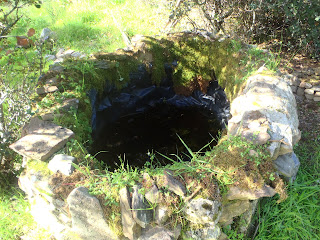
Poço no Sacred Fire
     Durante a construção do Boom 2012 foram construídos os lagos que apresentamos em imagens.

   Neste momento existe o projecto de construir em 2013, 12 pequenos lagos em zonas estratégicas, para recolha de águas de chuvas.


Lago na ribeira do Central Plaza
  Estes pequenos lagos só não foram já construídos, porque o inverno muito chuvoso que estamos a ter, elimina a possibilidade de operação de máquinas no terreno, sem que para isso ficassem demasiados estragos no solo. Assim, a iniciativa foi adiada para Setembro 2013, quando os solos estiverem secos. Logo após terá inicio o Outono e primeiras chuvas, que irão proporcionar o imediato crescimento de vegetação natural, disfarçando as marcas inevitáveis pela intervenção inicial.

Little lakes and ponds

Lago refugio de vida Selvagem no Central Plaza
Ponds are natural elements of standing water or very low current, whether permanent or temporary. Many plants and animals have evolved to adapt to the particular conditions and are currently dependent on this type of habitat for their survival.
These ecosystems are fragile and unstable, due to the small size and volume of water, small changes or decreased rainfall may cause environmental changes. Usually they have much higher levels of biodiversity compared with lakes and ponds.
Lakes already installed in 2014
Lago no jardim da Deusa
With the purpose of securing and retaining more water on the ground, these lakes with a good distribution, will gradually influence the climate in the warm season, hoping to create more freshness. Moreover these water accumulations successfully allow other species of herbs, trees and shrubs, and the natural vegetation of wetter areas to benefit because they have more attachment sites.


All the wildlife will greatly benefit from this action because besides being an easier and more frequent water supply for drinking, plants and ecosystems support more new insects, rodents, etc. as prey and food
The project for the new lakes
Lago em construção no Jardim dos Ossos
During the building boom of 2014 were built on the lake we present images.
These ponds have been constructed not only because the rainy winter we are having, eliminates the possibility of machines in the field, without too much damage for that stay on the ground. thus, the initiative was postponed to September 2013, when soils are dry and soon after, will start the autumn and early rains, which will provide immediate growth of natural vegetation, disguising marks the inevitable initial intervention.
Poço no jardim dos Ossos
Fito-Etar
A Mãe dos lagos: A Barragem